
Suite # 301 (3rd Floor), 65 Elephant Road
Dhaka-1205, Bangladesh.
Call us anytime
+880 1679242424
Pre-Design
Initially, all that is there is an idea. The journey start from there to the implementation of the complete project goes through a full range of engineering services. No matter what type of construction project you wish to take on, they involve critical elements, like the cost, labor and the processes associated with it. This necessitates smart planning, resilient design, technical know-how, and an integrated approach to make the visions a reality. There comes the role of industrial pre-design consultants.
The pre-design phase establishes a common aspiration; encourages collaboration, critical thinking, and lays a strong foundation for the successful completion of the project. It involves designers, planners, estimators, project managers, and the clients working together and exploring various options before the beginning of the design phase.
This concept phase is an important foundation for achieving design and budget goals. During this stage, critical goals are established, budgets are analyzed and validated, and cost & schedule efficiencies created. Each project is unique with different sets of design and budgetary requirements; hence we exclusively define the program for each project instead of a set template.
We are a firm, specializing in providing complete industrial infrastructure design services for our clients. Pre-Engineering services are central to the assurance of Smart Engineering that maximizes the customer’s investment and offers a realistic picture of the project completion. Our goal, in this phase, is to identify the design parameters and/or constraints, create project-specific strategies and document the project objectives that ultimately lead to developing solutions. Critical thinking and active communication are essential features of this phase.
An integrated and collaborative approach to the pre-design phase will ensure every project is successful, from pre-construction to project completion. Our pre-design package also includes soil test and geotechnical reports, site and climate analysis, and feasibility studies, all of which are essential to define the requirements of the project. our industrial pre-design services ensure that every decision being made will maximize your investment.
Our experienced pre-design consultants help the client to make critical decisions and significant choices at all stages of the project. All successful projects commence with a careful planning process. Our industrial pre-design services help in beginning a project with an appropriate budget, an accurate schedule, and clearly defined design parameters. Key decision-makers, creative experts, and associates discuss the vision, logistics, functionality, and final project outcomes.
The extent of our involvement of our pre-design consultants and the services provided during the pre-engineering phase depends upon the type of project and the point at which Smart Engineering is hired.
Broadly the Pre-Design services provided by Smart Engineering shall consist of the following:
Project Vision and Objectives
- Project Purpose: The conceptual site plan should start by defining the vision behind the construction. Whether it’s residential, commercial, industrial, or mixed-use, the purpose and long-term goals of the site must be outlined clearly.
- Key Design Goals: These can include things like maximizing space efficiency, ensuring sustainability, promoting community engagement, and creating aesthetic appeal.
- Target Demographics: If applicable, identifying the end users or residents—whether it’s for luxury housing, affordable housing, a corporate campus, etc.
Site Context and Location
A successful conceptual site plan begins with a strong understanding of the site context:
- Site Analysis: This includes factors such as:
- Topography: The land’s shape, slopes, and elevation changes.
- Access Points: Main roads, access routes, parking, and loading areas.
- Adjacent Properties: How neighboring land uses or buildings affect the site, such as privacy concerns or zoning compatibility.
- Utilities and Infrastructure: Locations of water, sewer, electricity, gas, telecommunications, and stormwater systems.
- Environmental Conditions: Identifying protected areas, flood zones, wetlands, or significant natural features that need preservation or special consideration.
Zoning and Regulatory Considerations
- Zoning Compliance: The conceptual site plan must conform to the local zoning laws, including allowable land uses, density, building height, setbacks, parking requirements, etc.
- Building Codes: Ensure the proposed design complies with applicable building codes and regulations.
- Environmental Regulations: Address any environmental impact assessments required by local authorities, such as stormwater management, tree preservation, or wildlife habitats.
- Permit Requirements: The plan should outline what permits are required and the process for approval from local authorities.
Master Layout and Building Placement
The main feature of the conceptual site plan is how the buildings and structures are arranged on the land:
- Building Footprints: The plan will show the location, size, and shape of all proposed buildings and structures, including any setbacks from property boundaries and roads.
- Orientation and Views: How the buildings are oriented in relation to the sun, views, and prevailing winds, which can affect energy efficiency, comfort, and aesthetic value.
- Pedestrian Circulation: Planned walkways, bike paths, and pedestrian access points to ensure safe movement around the site.
- Vehicular Access: Driveways, parking areas, service entrances, and the primary transportation routes that will connect the site to the broader community.
- Green Spaces: The allocation of outdoor areas like gardens, courtyards, lawns, parks, or public squares, to support community well-being.
Infrastructure and Utilities
Infrastructure plays a key role in any construction project, and the conceptual site plan must include the broad layout for:
- Water Supply: Plumbing systems, water mains, stormwater management systems, and potential water collection or recycling systems.
- Sewer Systems: Wastewater systems, septic systems (if applicable), and connections to the broader municipal sewage infrastructure.
- Electricity and Power: Power grid connections, backup generators, and any renewable energy systems (solar panels, wind turbines, etc.).
- Telecommunications and Internet: The plan should identify where internet and cable services will be provided to the development.
- Stormwater Management: Systems for managing rainwater runoff, such as retention ponds, swales, permeable paving, and green roofs.
Landscaping and Green Design
Modern conceptual site plans often include sustainability and environmental considerations:
- Sustainable Landscaping: Use of native plants, xeriscaping, and sustainable gardening techniques to reduce water usage and maintain local biodiversity.
- Green Roofs and Walls: In urban environments, green roofs or living walls may be integrated into the plan to reduce the urban heat island effect.
- Rain Gardens and Bioswales: For stormwater management and reducing the environmental impact of runoff.
- Outdoor Spaces: Public parks, green spaces, playgrounds, and recreational areas designed to enhance the quality of life for residents or workers.
Parking and Transportation Planning
Parking and transport are critical elements in any construction project. The conceptual plan will often indicate:
- Parking Spaces: The number and types of parking spaces needed (surface, underground, multi-story, or automated).
- Traffic Flow: The flow of vehicular traffic, including entry/exit points, circulation patterns, and how vehicles will navigate through the site.
- Public Transportation: Integration with nearby bus or subway routes, and provision for bike racks or scooter stations.
- Loading and Delivery Areas: Designated spaces for deliveries, trash collection, and loading docks (especially for commercial or industrial projects).
Safety and Security
The conceptual site plan must also consider safety and security features:
- Emergency Access: Clear paths for emergency vehicles and fire trucks.
- Lighting: Strategic placement of lighting to ensure safety and visibility at night.
- Security Measures: Designating areas for fencing, gates, surveillance cameras, and other security features.
- Pedestrian Safety: Ensuring that the site is safe for pedestrians, especially if there are roads or parking lots near residential or public areas.
Phased Development
Many large-scale projects are developed in phases, especially in complex or large sites. A conceptual site plan may indicate how the construction will be rolled out:
- Phase 1: The first phase, often focused on infrastructure and foundational elements like roads, utilities, and initial building construction.
- Phase 2 and Beyond: Subsequent phases could include additional buildings, landscaping, or community facilities.
Visual Aesthetics and Architectural Style
Although the conceptual site plan is generally a technical document, it can also illustrate the aesthetic direction of the project:
- Building Materials: Indicating the types of materials to be used in the construction (e.g., brick, glass, steel, wood, etc.).
- Design Theme: The overall architectural style, whether it’s modern, traditional, industrial, or rustic.
- Landmark Features: Special features such as fountains, sculptures, or significant landscaping elements that serve as focal points in the development.
Environmental and Sustainability Goals
In today’s development climate, many projects focus on sustainability. The conceptual site plan may outline various environmental strategies, including:
- Energy Efficiency: Site plans that incorporate renewable energy solutions such as solar panels, wind turbines, and geothermal heating.
- LEED Certification: If applicable, the plan may be designed with the goal of meeting specific green building standards like LEED (Leadership in Energy and Environmental Design).
- Carbon Footprint Reduction: How the development will minimize carbon emissions, use sustainable building materials, and reduce waste during construction.
Stakeholder and Community Impact
The conceptual site plan must also reflect the interests of various stakeholders, including:
- Community Feedback: Input from local communities, residents, or businesses regarding how the development will impact them.
- Public Amenities: Spaces or features (parks, recreation areas, communal spaces) designed to enhance public use and community engagement.
- Economic and Social Impact: Addressing how the project will contribute to local economies, job creation, and social well-being.
A Conceptual Site Plan for a new construction project serves as a foundational guide for how the project will develop. It ensures that all major aspects of the site’s use, design, and construction are accounted for before detailed planning begins. From land use, infrastructure, and safety, to environmental considerations, parking, and aesthetics, the conceptual plan helps to align all stakeholders and sets the stage for a smooth and successful development process.
Digital land Survey
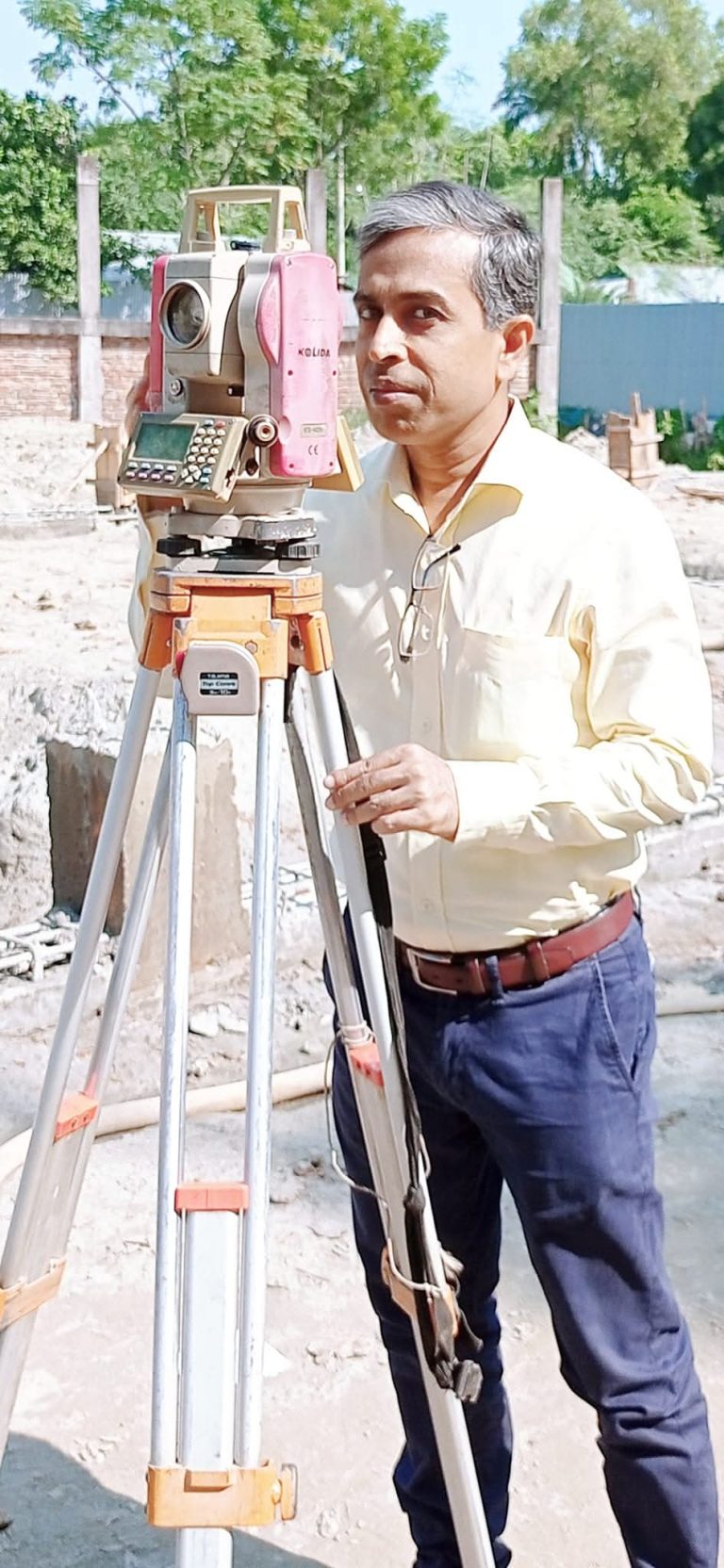
Digital land surveying is transforming how property development and management are approached in Bangladesh. By adding advanced technologies; such as drones, GPS, LiDAR and GIS—digital surveys deliver high-precision data that empowers landowners and developers to make informed decisions quickly.
Key Benefits of Digital Land Survey Enhanced Accuracy:
Advanced digital tools capture accurate and error free measurements and generate detailed maps. This level of accuracy ensures clearly defined boundaries and reliable data for planning and development.
Time and Cost Efficiency:
Automated data collection and processing streamline survey operations, cutting down both field time and project costs. Faster surveys lead to quicker approvals and reduced labor expenses, benefiting developers and landowners alike.
Comprehensive Data Collection:
Modern technologies collect diverse data sets—from topographical details to three-dimensional models. This robust data framework supports improved risk management, optimized planning, and better decision-making.
Improved Safety:
Minimizing extensive manual fieldwork reduces exposure to potential hazards. Digital surveying methods create safer working environments while maintaining high data quality.
Real-Time Data Integration:
Cloud-based platforms enable real-time data sharing and collaboration among project stakeholders. Immediate access to updated information facilitates rapid decision-making and project adjustments.
Soil test
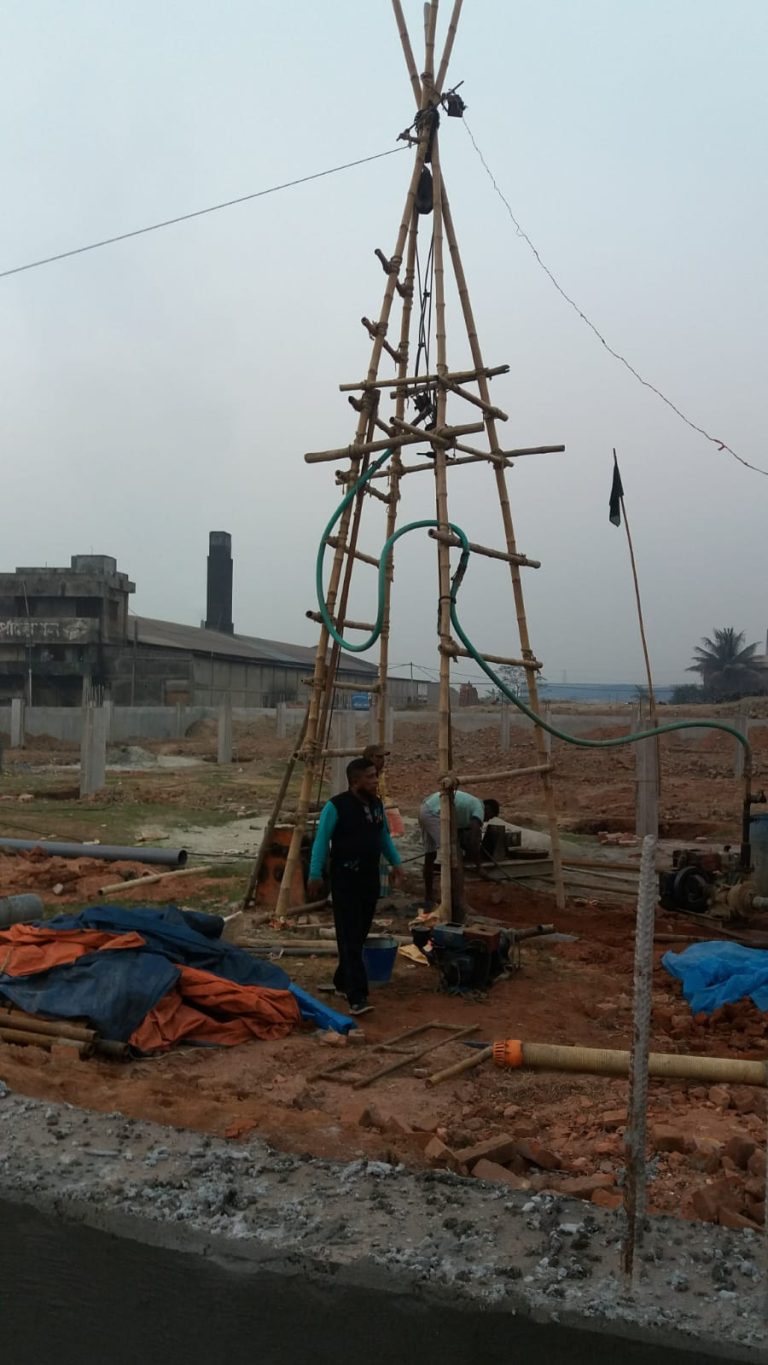
The Critical Role of Soil Testing in Construction Ensuring Safety and Durability Introduction: Soil testing is a fundamental aspect of construction that involves analyzing the soil’s properties to ensure the safety and durability of structures like bridges, buildings, and dams. This process is essential for understanding the soil’s behavior under different conditions and for making informed decisions about construction methods and materials. Without thorough soil analysis, the risk of structural failure increases, potentially leading to catastrophic consequences. In this blog, we will explore the importance of soil testing, the various tests conducted, and how these tests impact different types of construction projects. Our expertise at G3SoilWorks ensures that each project begins with a solid foundation through comprehensive soil testing.
The Basics of Soil Testing: Soil testing in construction involves a series of tests designed to assess the soil’s physical and chemical properties. The main objectives are to determine the soil’s suitability for construction and to identify any potential issues that could affect the stability and longevity of the structure.
Key Types of Soil Tests: Moisture Content Test: Measures the amount of water in the soil, which affects its strength and compaction.
Atterberg Limits Test: This test determines the soil’s plasticity and consistency, which is crucial for understanding its behavior under different moisture conditions.
Compaction Test: Evaluates the soil’s ability to be compacted, essential for ensuring a stable foundation.
Permeability Test: This test assesses the soil’s ability to allow water to pass through, which is important for drainage and preventing water-related issues.
These tests provide valuable data on soil properties, helping engineers make informed decisions about construction techniques and materials.
Importance of soil testing before construction
All construction projects are made on the soil. The soil has to take the weight of the structures. The soil testing before construction is first and important step for any kind of heavy construction.
Soil testing is primarily done to test the bearing capacity of the soil. It also shows the physical and chemical composition of the coil. These characteristics may vary from layer to layer of the same soil. The characteristics of the soil can change within small area due to weather, climate change and the management of the site can also change the bearing capacity of the soil.
The soil must be able to bear the weight of the building otherwise the loss to property and life can occur. The soil investigations or analysis determines not only the bearing capacity of the soil, but it also rate of settlement of the soil. This rate determines the rate of the structure stabilization on the soil.
The soil testing also determines the length and depth of the pillars put in the soil to lay the foundation of the building. The selection of suitable construction technique and knowing the possible foundation problems all are based on the results of the soil testing. The water table level of the soil can be known only from the soil testing. The level of water table shows the likely problem to the foundation of the building and level of humidity within the foundation. The choice of construction material may also be affected by the chemical and mineral component of the soil. If analysis of the soil reveals that it contains sulphur, then the sulphur resisting cement is used to protect the foundation of the buildings.
